Solar Projects in Pakistan: Sector-by-Sector Success Stories for 2026
Solar projects in Pakistan are transforming how farms irrigate fields, how factories run production lines, and how housing societies keep the lights on during outages. The country’s abundant sunshine, combined with steep grid tariffs, has turned solar from a niche experiment into a mainstream engine of savings across every sector. In 2026, the most valuable lessons come not from theory but from real deployments.
This article takes a practical, sector-by-sector tour of where solar is delivering the strongest results in Pakistan, what makes each project type succeed, and how to apply those lessons to your own site. If you are weighing a solar investment, the patterns below will help you plan with confidence.
Why Solar Projects in Pakistan Are Scaling Fast
Pakistan receives some of the highest solar irradiance in the world, giving nearly every region enough sunshine to make solar viable year-round. As conventional electricity prices climb, the payback window keeps shrinking, and both businesses and communities are responding at speed.
Policy support reinforces the trend. The Alternative Energy Development Board continues to promote renewable adoption through net metering and clean-energy targets, giving investors the regulatory clarity that large projects require. The result is a pipeline of deployments spanning agriculture, industry, commercial property, and residential communities.
Agriculture: Solar-Powered Irrigation
Few sectors gain more from solar than farming. Diesel tube wells are expensive and unreliable, while grid connections often do not reach remote fields at all. Solar water-pumping systems solve both problems, delivering free daytime power exactly when crops need irrigation most.
Successful agricultural installations share a common trait: careful matching of pump capacity to panel output and water table depth. When sized correctly, these systems pay back within a few seasons and run for decades with minimal maintenance.
Key Lessons From Farm Deployments
- Match the solar array to peak irrigation demand, not average use.
- Use corrosion-resistant mounting to survive rural dust and heat.
- Plan for seasonal water needs so the system delivers when it matters.
Industry: Cutting Factory Energy Bills
For manufacturers, electricity is often the single largest controllable cost. Large rooftop and ground-mount arrays let factories offset expensive peak-hour tariffs and shield production from load shedding. The range of completed solar projects in Pakistan shows how industrial sites recover their investment in as little as three years.
Industrial projects demand engineering rigour. Load studies, structural assessments, and grid-synchronisation planning separate a smooth commissioning from a stalled one. This is where an experienced local team proves its worth, translating complex requirements into a system that performs from day one.
Commercial Property: Plazas, Offices and Retail
Commercial buildings run heavy daytime loads for cooling, lighting, and equipment, aligning almost perfectly with solar generation. That overlap makes net metering especially powerful for plazas and offices, which consume most of their power during peak sunshine hours.
The table below summarises how different sectors typically approach solar.
| Sector | Typical System | Main Benefit | Common Payback |
|---|---|---|---|
| Agriculture | Solar pumping | Free irrigation power | 2–4 seasons |
| Industry | 100 kW+ hybrid | Tariff offset + uptime | 3–5 years |
| Commercial | 25–100 kW on-grid | Daytime bill reduction | 3–4 years |
| Residential | 5–15 kW | Savings + backup | 4–6 years |
Housing Societies and Homes
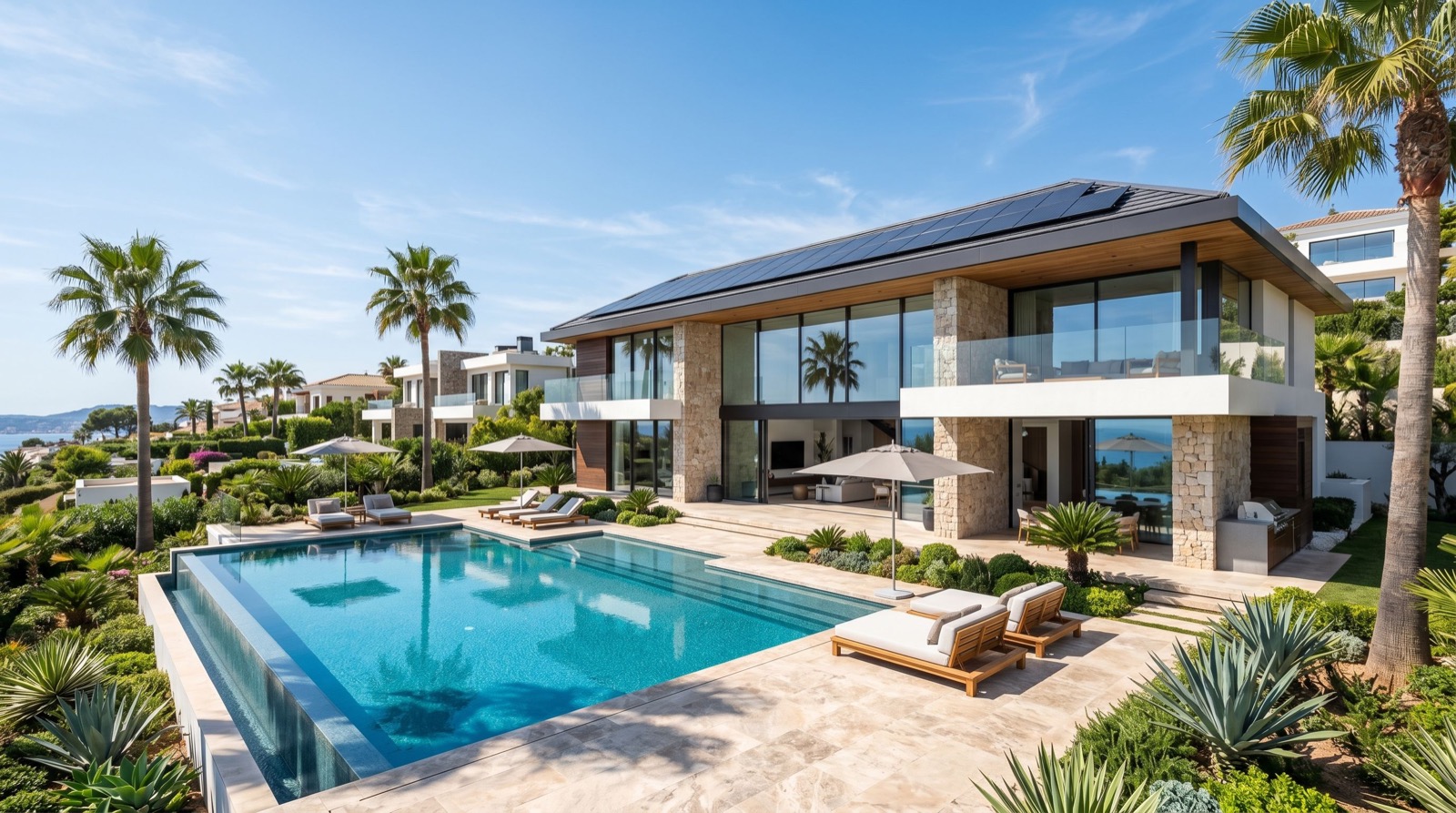
Residential solar continues to boom as families seek relief from summer bills and load shedding. Housing societies increasingly adopt community-scale approaches, from shared solar street lighting to coordinated rooftop programmes that lower costs through bulk procurement.
The best residential results come from partnering with a reputable solar company in Lahore or your local specialist, sizing each home to its real consumption, and adding lithium storage only where backup truly matters.
What Makes a Residential Project Succeed?
Quality components, accurate sizing, and professional net-metering support are the three pillars. Homes that skip the site survey or chase the cheapest quote often end up underperforming, while those that plan properly enjoy decades of dependable savings.
Common Threads Across Successful Projects
Look closely at high-performing installations in any sector and the same habits appear again and again. These shared practices, more than any single brand of panel, separate projects that thrive from those that disappoint.
- Data-driven design: Every strong project begins with a real energy audit, not a rough guess.
- Quality over price: Tier-1 panels and reputable inverters consistently outlast bargain hardware.
- Proper documentation: Written warranties and commissioning reports protect the owner for years.
- Ongoing support: A maintenance relationship keeps output high long after installation day.
Getting Started With Your Own Project
Turning inspiration into action is straightforward. Begin by gathering twelve months of electricity bills so an engineer can understand your load. Next, request a site survey to assess roof or ground space, shading, and structural capacity.
From there, a reputable installer prepares a tailored design, a transparent quote, and a realistic savings projection. Reviewing these documents carefully, and comparing them against another qualified bid, ensures you commit to a project built for performance rather than the lowest price.
Frequently Asked Questions
Which sector benefits most from solar projects in Pakistan?
All major sectors benefit, but industry and commercial property often see the fastest payback because they offset expensive peak-hour tariffs. Agriculture gains enormously too, replacing costly diesel pumping with free solar power.
How long do large solar projects take to build?
Residential systems finish in days, while industrial and commercial projects take two to six weeks depending on size, structural work, and net-metering approvals. Proper planning keeps timelines predictable.
Do agricultural solar pumps need batteries?
Usually not. Most solar pumping systems run directly on daytime generation, irrigating when the sun is strongest. Batteries are added only when water must be pumped after dark.
Can housing societies go solar together?
Yes. Community programmes for shared lighting and coordinated rooftop installations lower per-home costs through bulk purchasing and unified engineering. A reputable installer can structure these projects end to end.
Conclusion: Learn From What Already Works
The clearest path to a strong outcome is to study successful solar projects in Pakistan and apply their lessons: match the system to real demand, insist on quality components, understand net metering, and partner with an experienced engineering team. Across agriculture, industry, commerce, and homes, the pattern is the same. Well-planned solar delivers rapid payback, energy independence, and decades of savings. Speak with a trusted solar specialist today and turn Pakistan’s sunshine into your next smart investment for 2026 and beyond.